Digital ownership and creator participation
A planning note about digital ownership. No market is being launched.

EraX Digital
April 27, 2026
·
4
read


For the past two decades, the digital economy has been built around attention as its core resource. Platforms competed for users’ time, brands for reach, and creators for engagement. However, as the volume of content has grown, it has become increasingly clear that attention is no longer a scarce asset and is therefore losing its economic value.
Today, users are exposed to an overwhelming flow of information on a daily basis. As a result, even high reach converts less frequently into revenue or trust, while virality has become a short-lived effect with little cumulative impact. This does not point to a crisis of content, but to the exhaustion of the model itself.
The attention economy was originally built on a simple principle: attention is limited, and therefore access to it is valuable. Users could not consume an endless stream of information, so each interaction carried weight.
However, as algorithms evolved and content volume exploded, this logic began to break down. Today, people are exposed to hundreds or even thousands of pieces of content every day, while platforms compete for mere seconds of attention. As a result, more content no longer leads to better outcomes. Reach is growing, but it converts less effectively into revenue and trust. Engagement delivers diminishing value, and viral content rarely creates lasting impact.
The issue today is not content itself, but the model behind it. Attention is no longer a reliable foundation for the economy.
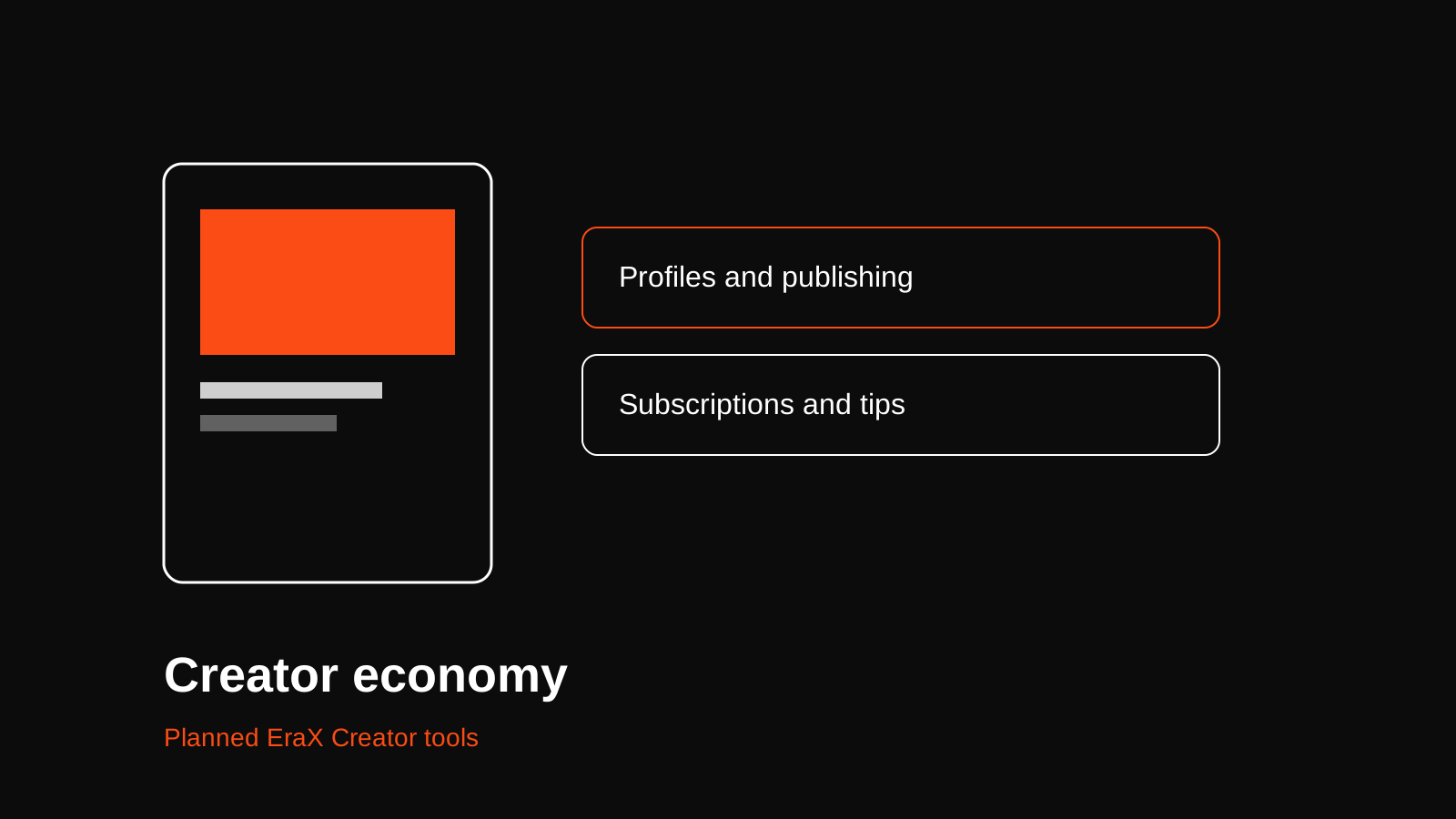
The creator economy emerged as a response to the crisis of the attention model, redistributing part of the value from platforms to individuals. Creators gained the ability to monetize their audiences directly through subscriptions, products, communities, and personal brands.
However, the underlying system has not fundamentally changed. Creators still depend on algorithms, distribution channels remain controlled by platforms, and relationships with audiences have not become a true asset that can be owned, structured, and scaled.
As a result, it has become easier to earn, but still impossible to truly own the value.
Against this backdrop, a new model is emerging: the ownership economy, where the key value is no longer attention or even content, but the individual.
A person is no longer just a distribution channel, but becomes an economic unit around which an entire system is built, including products, audience, capital, and trust.
This form of value does not disappear when platforms or algorithms change. It accumulates over time, strengthens, and can move across different environments.
As the model evolves, so does what the market defines as value. In the past, key metrics were reach, clicks, and engagement. Today, those signals are no longer sufficient.
More fundamental indicators are taking their place, including revenue sustainability, levels of trust, the ability to consistently deliver results, and the presence of independent economic infrastructure.
It is at this level that the shift from the creator economy to the ownership economy occurs. The market is no longer defined by content creators alone, but by individuals around whom fully developed economic systems are built.
This transition is the result of several key forces:
Increasing volume no longer leads to better outcomes. Reach continues to grow, but its value is declining.
Audiences are increasingly orienting themselves around individuals rather than systems.
New technologies make it possible to capture and preserve human value. For example, blockchain allows data to be recorded in a way that cannot be altered or lost, whether it is reputation, work history, or results. In other words, if your value once “lived” on platforms like Instagram or LinkedIn and could disappear with your account, it can now be preserved independently of any platform.
It is at the intersection of these forces that a new class of projects is emerging.
EraX Social ( /paid-content ), developed by EraX Digital ( EraX DigitalPlanned EraX Digital work. This is not a live product and not an offer.
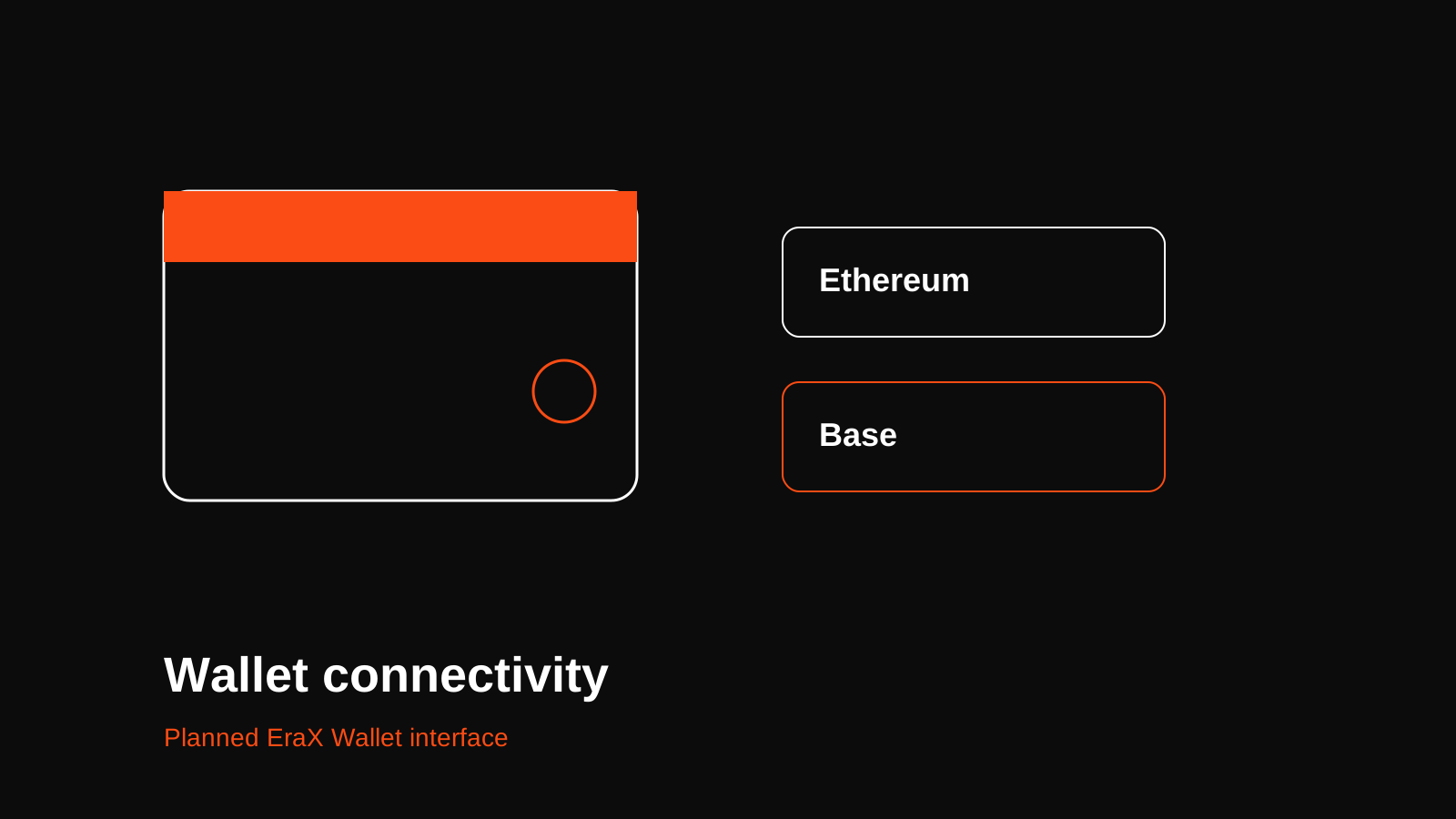
EraX Social is a planned SocialFi platform for user profiles, social feeds, content publishing, communities, messaging, and wallet connectivity. Those features are not publicly available.
This fundamentally changes the user’s position. Instead of depending on platforms, the individual becomes the center of their own economic system, where value can be recorded, accumulated, and used independently of algorithms.
EraX Digital plans to use Ethereum as its primary network and Base as its first Layer 2. No partnerships or audience figures are claimed.
As a result, this is not just a new monetization model, but a shift toward infrastructure where the primary asset is the individual and their ability to generate sustainable value.
The digital economy is entering a new phase in which attention is no longer the primary source of value and is becoming merely a tool for acquisition. The core value is shifting toward what can be retained, accumulated, and developed, namely the individual’s ability to generate sustainable outcomes.
In this environment, competitive advantage is no longer defined by the scale of reach, but by the depth of value a person can build around themselves and turn into a long-term system.
Planned EraX Digital work. This is not a live product and not an offer.